Living on the Butler Chain: What to Know
November 21, 2025
November 21, 2025
Picture your mornings starting on calm water, coffee in hand, and your day ending with a sunset cruise back to your dock. If you are considering a home on the Butler Chain of Lakes, you are probably drawn to that easygoing, on-the-water lifestyle. You also want the facts about access, upkeep, rules, and what living lakeside really looks like in Windermere. This guide gives you clear, practical insights so you can buy with confidence. Let’s dive in.
Living on the Butler Chain centers on the water. You will see neighbors heading out for morning or evening boat rides, paddleboarding near shore, and relaxing on lanais and patios built to frame lake views. Many homes have private docks or share community dockage, and outdoor spaces are designed to bring the lake into everyday life.
Compared to stand-alone lakes, the Chain’s connected canals let you explore multiple lake environments in a single outing. That connectivity is a big lifestyle perk for boaters. At the same time, you trade some privacy for activity. Expect occasional boat traffic, sound carrying over water, and seasonal shoreline use to be part of daily life.
Butler Chain waterfront homes often command a premium for open-water frontage, dockage, and lot size. Inventory varies widely. Some parcels sit on wide water, while others are on quieter canals. If you want frequent trailering or public launching, confirm access before you fall in love with a home.
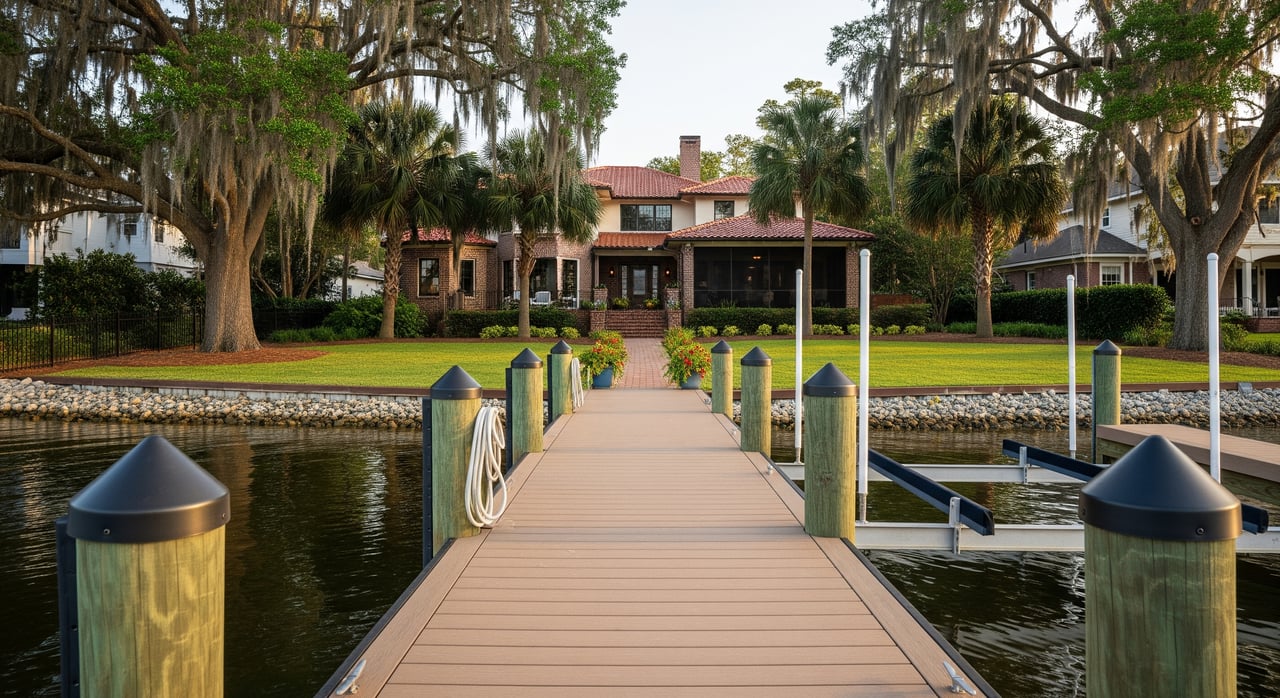
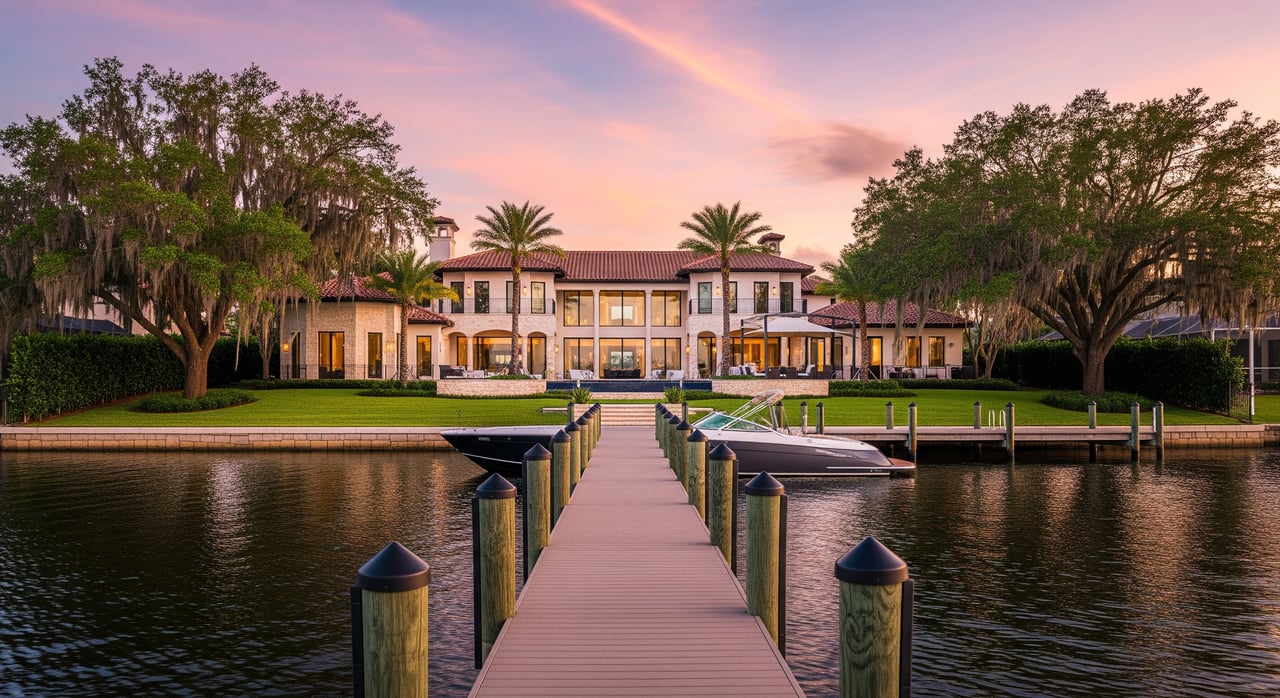
Many Butler Chain properties include private docks and lifts. Public ramps and shore access points exist within the local system, but availability on the Chain is more limited than on some larger municipal lake networks. Verify whether a property has deeded water access, a private dock, or use of a community facility, and note any HOA rules that govern dock use.
Also ask about canal depth and navigability. Water levels and canal widths can limit larger boats, and narrow channels require slower speeds and extra care. Confirm whether there are any low bridges, restricted passages, or privately controlled channels you need to plan around.
To confirm ramp locations and status, check official resources. Start with the Florida Fish and Wildlife Conservation Commission’s guidance on boating facilities and rules, the Town of Windermere, and Orange County’s parks and waterways pages. Local HOA or marina contacts can clarify community-only ramps versus public sites.
Florida’s inland lakes follow statewide boating laws enforced by FWC. Expect operator requirements, vessel registration, and speed rules in marked zones. Always follow posted no-wake and slow-speed areas near residential shorelines, docks, and narrow canals.
On the water, a few norms keep the peace. Maintain a conservative distance from private docks and swimmers. Reduce speed in canals and close quarters. Keep wake low near seawalls to help prevent erosion and damage. Early mornings and evenings are quieter times, so be mindful of noise.
Most lakefront homes feature private docks with lifts, plus seawalls, bulkheads, or riprap along the shoreline. Outdoor living is oriented to the water with lanais, pools, and patios facing the lake. Utility connections vary by neighborhood. Some areas are on municipal sewer and others on septic, so confirm for each parcel.
Look closely at dock structures and permits. Check pilings, decking, lift motors, and electrical. Ask for permit history to confirm compliance. Evaluate seawall condition for bowing, settlement, or cracking. Seawall repairs can be significant. Review drainage to ensure stormwater flows do not wash toward the lake, and note any shoreline vegetation rules.
If the property uses septic, confirm system location and maintenance status. For homes on public sewer, ask about lift stations and any service notes. Plan for specialist inspections that include the dock, seawall, and shoreline.
Common lakefront expenses include dock and lift upkeep, electricity for lifts, and periodic shoreline or seawall maintenance. Some owners invest in aquatic vegetation management during peak seasons. Insurance costs can be higher for waterfront homes, and lenders may require separate flood insurance depending on FEMA flood zone designation. If the home is in an HOA or POA, factor in community fees and any shared shoreline maintenance costs.
Central Florida lakes can experience seasonal changes in clarity and algal blooms. Warm temperatures, nutrient runoff, and stagnant pockets increase the chance of visible algae and occasional odors. Before you buy and periodically after, review recent monitoring and any advisories.
For current science and updates, use official sources. The St. Johns River Water Management District provides lake monitoring and data across the region. The Florida Department of Environmental Protection publishes information and advisories on algal events. Explore the FDEP algal bloom resources for statewide guidance.
Algae events can temporarily limit swimming and affect aesthetics, while boating and fishing may continue with caution. Shallow littoral zones sometimes fill with aquatic vegetation that can slow smaller watercraft and may require permitted management.
Boat wake is a real factor for lakeside living. Repeated high wake can accelerate shoreline erosion, stress docks, and disturb swimmers. Many residential stretches post no-wake or slow-speed zones to protect shorelines and wildlife. Seawalls and native vegetation buffers help reduce erosion, though each comes with environmental considerations.
You will see freshwater species like largemouth bass and bluegill, along with waterfowl and the occasional otter. These species are protected by rules that prohibit harassment or feeding. If you plan to fish, consult FWC regulations for size and possession limits and always follow posted guidance on the water.
Confirm that existing docks and seawalls were permitted and built to current code. Unpermitted or out-of-compliance structures can be costly to resolve. Check deeded water access, riparian rights, and any easements that affect how you can use the shoreline. The Town of Windermere and Orange County maintain local codes and permit information. Start at the Town of Windermere site and the Orange County Government portal for contacts and processes.
Even if a parcel sits outside a high-risk zone, some lenders still require flood insurance for waterfront properties. Review the property’s FEMA flood designation and discuss coverage with your insurer. You can look up a parcel’s zone at the FEMA Flood Map Service Center.
On the Butler Chain, many neighborhoods set rules for dock use, boat size, guest slips, and quiet hours. Always request HOA or POA documents early. Verify whether community slips are assigned, transferrable, or sold separately, and confirm any storage restrictions for trailered boats.
Use a clear plan to focus your time and shortlist the right homes:
When you are ready to compare properties across the Chain, a local guide helps you translate the details into a confident offer. If you want curated options and on-the-water context, reach out to schedule a quick call with Francisco Orchilles.
Stay up to date on the latest real estate trends.
Every successful transaction begins with a great partnership. Whether you’re buying, selling, or investing, Francisco combines personalized service with market expertise to ensure your real estate goals are met.